At dayII, Workday is a passion.

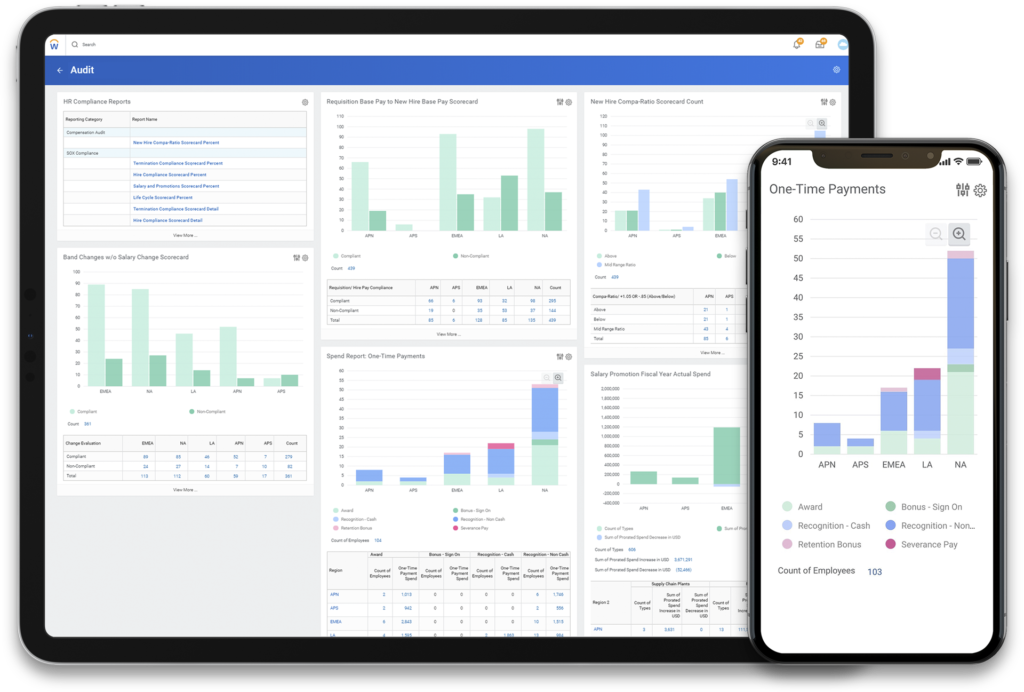
At dayII, our work is grounded in a simple reality:  when organizations adopt Workday, the greatest long-term value comes not from the implementation alone — but from the accurate, trusted, and sustainable reporting.  Many organizations go live with Workday only to discover, over time, that reporting confidence begins to erode.  Metrics diverge, definitions drift, custom outputs multiply, and leaders question whether the data reflects business reality.

That’s where we focus.

With over two decades of HR systems experience — spanning PeopleSoft and Workday environments — dayII brings discipline and clarity to reporting ecosystems.  We help organizations assess reporting health, stabilize inconsistent outputs, and build frameworks that leaders and operational teams can rely on with confidence.  Our approach is strategic and outcome-driven: 

  • We evaluate what exists before recommending changes
  • We emphasize accuracy, consistency, and sustainability
  • We prioritize clear documentation and governance
  • We focus on enabling internal teams through knowledge transfer, not dependency

 dayII’s work is not about endlessly generating reports.  It’s about ensuring that every report — delivered or custom — means something accurate, repeatable, and aligned to your business needs.

Where reporting breaks down.

When leaders don't trust the data, they stop using it. dayII focuses on identifying and correcting these breakdowns — so reporting becomes a reliable asset rather than a source of doubt.

Planning

Planning

Effective reporting starts before a single report is built. Planning means defining what decisions need to be made, how metrics should be interpreted, and where reporting responsibility lives. Without this foundation, even technically correct reports drift out of alignment. We focus on intentional reporting design — grounded in purpose, not volume.

Analysis

Analysis

Analysis is more than producing numbers — it’s validating what those numbers actually mean. We examine logic, definitions, and relationships across reports to ensure outputs reflect business reality. When analysis is disciplined, reporting becomes a source of clarity rather than debate. Insight only matters when it’s trusted.

Governance

Governance

Governance provides structure as reporting environments scale. Clear ownership, standards, and change control prevent definition drift and uncontrolled proliferation. Governance ensures reporting remains consistent, explainable, and sustainable long after initial design or implementation work is complete.

Stability

Stability

Stability is achieved when reporting remains reliable through change. Releases, configuration updates, and organizational shifts often introduce inconsistency. We focus on strengthening logic, documentation, and maintenance practices so reporting accuracy holds under real-world operational pressure.

Outcome

Outcome

Reporting exists to drive decisions, not produce volume. Outcome-focused reporting aligns metrics to business priorities, delivers clarity at the right level, and eliminates noise. The result is insight that accelerates decisions instead of creating debate or hesitation.

Assurance

Assurance

Assurance ensures reporting can be trusted, explained, and defended. Metrics should be traceable, logic documented, and outputs repeatable. When questions arise, answers are clear — protecting confidence in reporting long after delivery or change.


Workday evolves, but long-term value depends on how reporting is maintained. Without governance, new functionality adds complexity. With clear standards, it strengthens insight. We help organizations absorb change without sacrificing reporting trust.

Workday embraces confidence.

Workday is a powerful platform but power without trust isn’t value.  We help organizations realize the insight Workday promises by ensuring reporting outputs can be confidently understood and relied upon at all levels of the organization.

Before you launch on day one, bring in dayII.​